Great storage is not simply about adding more cupboards. It is about creating a home that works with the way you actually live.
When storage is considered from the beginning of the design process, it can be integrated into the floor plan rather than added as an afterthought. The result is a home that feels more organised, functions better and makes the most of every square metre.
From the kitchen and bedrooms to the garage and hidden spaces, here are the key storage considerations to make when designing your custom home.
Start With Your Lifestyle
The best storage solutions begin with understanding what you need to store and how you live day to day.
Consider sporting equipment, school bags, large appliances, seasonal items, shoes and outdoor equipment. Do you entertain regularly? Do you need somewhere for cleaning supplies, tools or work-from-home essentials?
Understanding what you own, how often you use it and where everyday clutter tends to gather will help determine where storage is needed.
One of the biggest advantages of building a custom home is the ability to design storage around your lifestyle, rather than trying to make your lifestyle fit the house.
Plan Storage Around Your Floor Plan
Storage should be considered alongside the layout of your home. Rather than deciding where cupboards will go once the plans are finished, think about how each space will function from the beginning.
A mudroom near the garage can provide a practical place for shoes, bags and coats. A linen cupboard positioned near bedrooms and bathrooms keeps essentials within easy reach, while a walk-in pantry can be designed around how you use your kitchen.
The goal is simple: put the right storage in the right place.
Kitchen and Pantry Storage
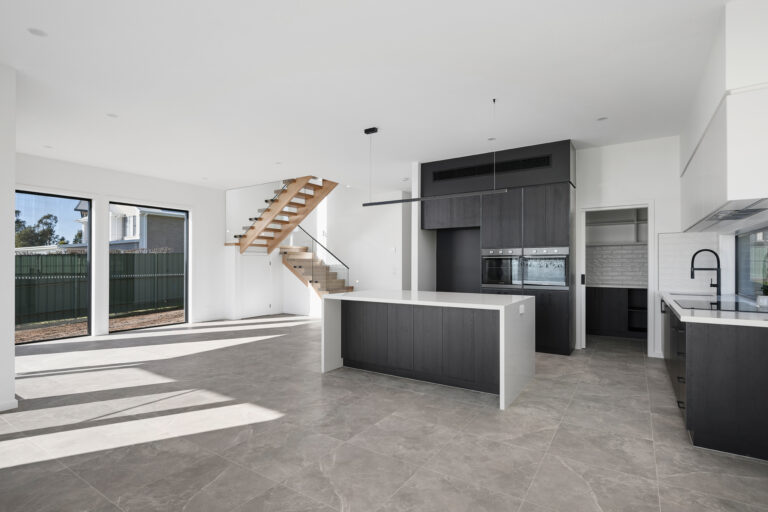
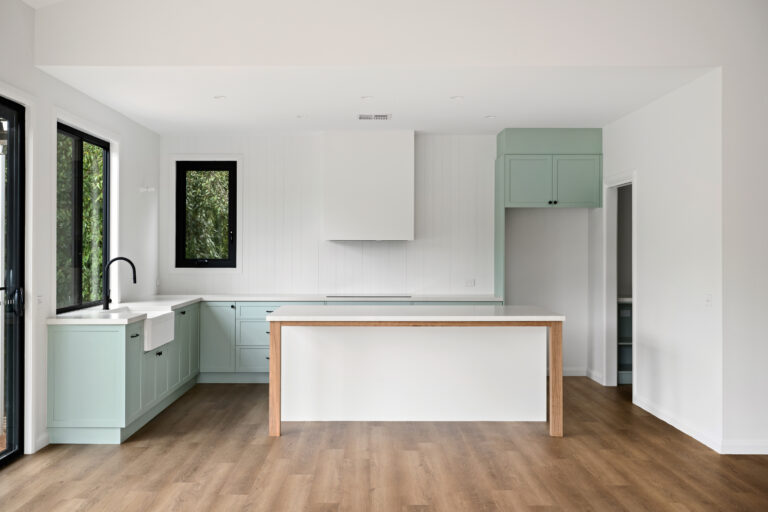
The kitchen is one of the hardest-working areas of the home, making thoughtful storage essential.
Consider how you use your kitchen before finalising cabinetry. Everyday items should be easy to access, while less frequently used appliances and cookware can be stored further away.
A well-designed pantry can also take pressure off the main kitchen, providing space for bulk groceries, small appliances and items you prefer to keep out of sight. The right combination of drawers, cupboards and shelving can help create a kitchen that feels both functional and uncluttered.
Wardrobes and Bedroom Storage
Bedrooms need storage that goes beyond simply hanging clothes.
When planning wardrobes, consider clothing, shoes, bags, accessories, bedding and seasonal items. Walk-in wardrobes can be tailored to your needs with a combination of hanging space, drawers, shelving and dedicated shoe storage.
For children’s bedrooms, flexibility is particularly important. Adjustable shelving and accessible drawers can adapt as their needs change, helping the room remain practical as they grow.
Entryways, Laundry and Linen Storage
Everyday clutter often starts at the entry. Shoes, jackets, keys and school bags can quickly accumulate when there is nowhere designated to put them.
A practical entry zone or mudroom can help keep these items organised. Consider built-in benches, hooks, drawers and overhead cupboards to give everything a place.
The laundry deserves similar attention. Tall cupboards, overhead storage and dedicated spaces for baskets, cleaning products and household supplies can make daily routines easier. Planning a linen cupboard near bedrooms and bathrooms also keeps towels, sheets and blankets organised and accessible.
Garage and Home Office Storage
Garages often become the default storage space for everything that does not fit elsewhere. Cars, tools, bikes, sporting equipment and gardening supplies can quickly take over without a clear plan.
Consider how you want to use the space and incorporate shelving, cabinetry, overhead storage or dedicated zones to keep equipment organised while preserving room for vehicles.
For a home office or study, built-in cabinetry, concealed printers, document storage and charging stations can help maintain a tidy workspace. For families, a dedicated study zone can also accommodate homework and school supplies without overtaking the main living areas.
Make the Most of Hidden Storage
Some of the best storage solutions are the ones you barely notice.
Under-stair cupboards, window seats with drawers, recessed shelving, concealed appliance cupboards and built-in joinery can turn overlooked areas into valuable storage without making a home feel crowded with cupboards.
These details are particularly useful when you want to maintain a clean, considered aesthetic while ensuring everyday items have a practical place to go.
Plan for the Future
A well-designed home should work for you today while allowing flexibility as your needs change.
Consider how your household might evolve, from changing work arrangements to growing children and new hobbies. Adaptable wardrobes, additional cabinetry and flexible garage storage can help your home continue to work for you over time.
Planning ahead can also reduce the need for costly changes or retrofitting once you have moved in.
Storage Should Be Part of the Design, Not an Afterthought
The best custom homes do not necessarily have the most storage. They have the right storage, in the right places, designed around the people who live there.
At Crown Constructions, we believe the details that make a home work beautifully are just as important as the way it looks. By considering storage from the very beginning, you can create a home that feels more organised, more functional and more comfortable every day.
Planning your custom home? Talk to the Crown Constructions team about designing a home around the way you live.