What makes a home exceptional?
It is easy to think the answer is size, expensive finishes or the latest design trends. But often, it is something much simpler.
It is the way the hallway connects to the living space. The position of a window that captures the afternoon sun. The kitchen storage that seems to be exactly where you need it. The way a door opens, a room flows into the next or a home takes advantage of its site. These details may not be the first things you notice when you walk through a home, but they are often what makes it feel right.
At Crown, we believe the best custom homes are not designed simply to look impressive. They are designed around the people who live in them, with every detail considered to make everyday life easier and more enjoyable.
Getting The Floor Plan Flow Right
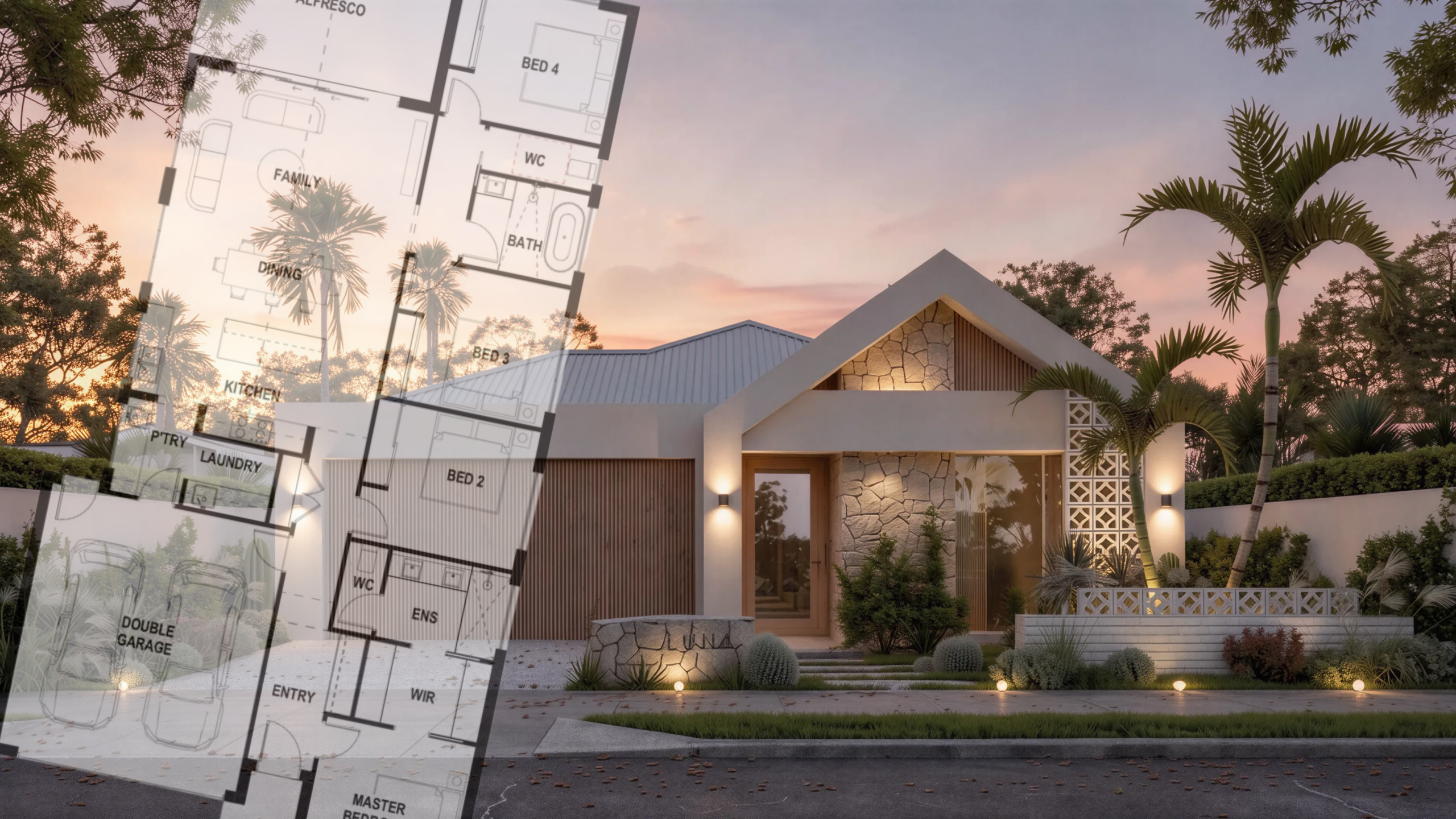
A great floor plan should feel almost effortless.
You should be able to move naturally from the entry to the living spaces, from the kitchen to the dining area and from inside to outside without awkward transitions or unnecessary corridors.
The positioning of rooms, doorways and circulation paths can make a home feel spacious and intuitive or disconnected and difficult to navigate.
Good planning means considering not just where rooms fit, but how they work together.
Designing Around Natural Light
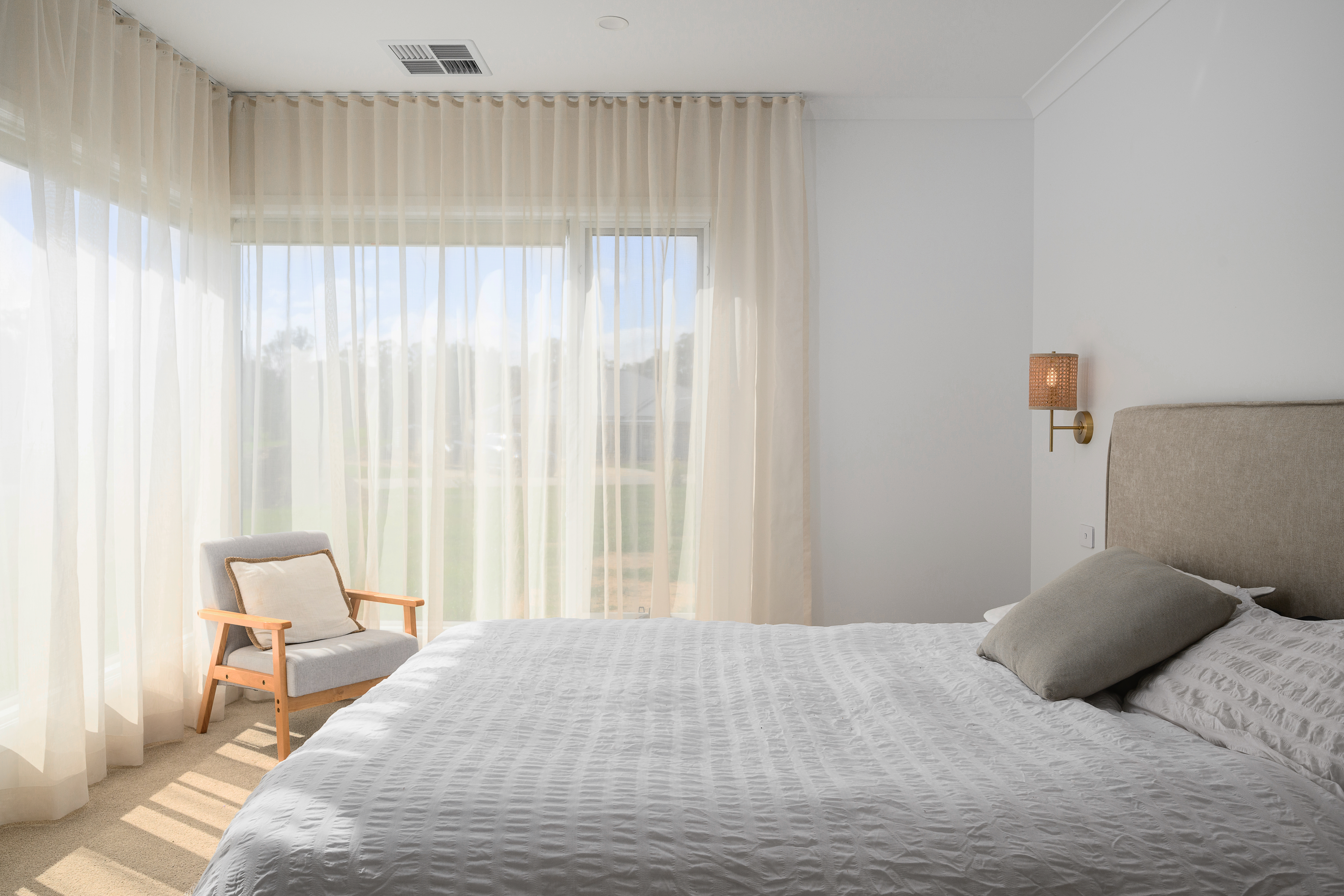
Natural light can completely change the feeling of a home.
The position and size of windows, the orientation of the home and the layout of individual rooms all influence how much natural light a space receives throughout the day.
A bedroom might be positioned to capture soft morning light, while a living space could be orientated towards the afternoon sun or a particular view. These decisions can have a major impact on how the home feels every day.
Creating Strong Indoor-Outdoor Connections
For many Australian homes, outdoor living is an extension of the home itself.
Thoughtful design can make the transition between inside and outside feel natural through considered living areas, large openings, covered entertaining areas and carefully planned sightlines.
The goal is not simply to add an alfresco area, but to create a connection between the space so they feel like part of the same lifestyle.
Thoughtful Storage
Storage is one of those details that can make a huge difference to everyday life without necessarily being obvious.
The best storage solutions are designed around what you actually own and how you use your home. That might mean a walk-in pantry positioned exactly where it needs to be, a mudroom near the garage, built-in cabinetry in the living room or wardrobe designed around your storage needs.
When storage is planned from the beginning, it can be integrated seamlessly into the design instead of being added later to solve a problem.
Doorways, Windows & Sightlines
Small architecture decisions can have a surprisingly big impact.
Where a door opens can change how easily you move through a room. The position of a window can frame a beautiful view, while a carefully considered sighline can connect spaces and make a home feel more often.
These details are often almost invisible when they are done well.
And that is exactly the point.
The details you notice are often the details you don’t notice.
Lighting & Architectural Details
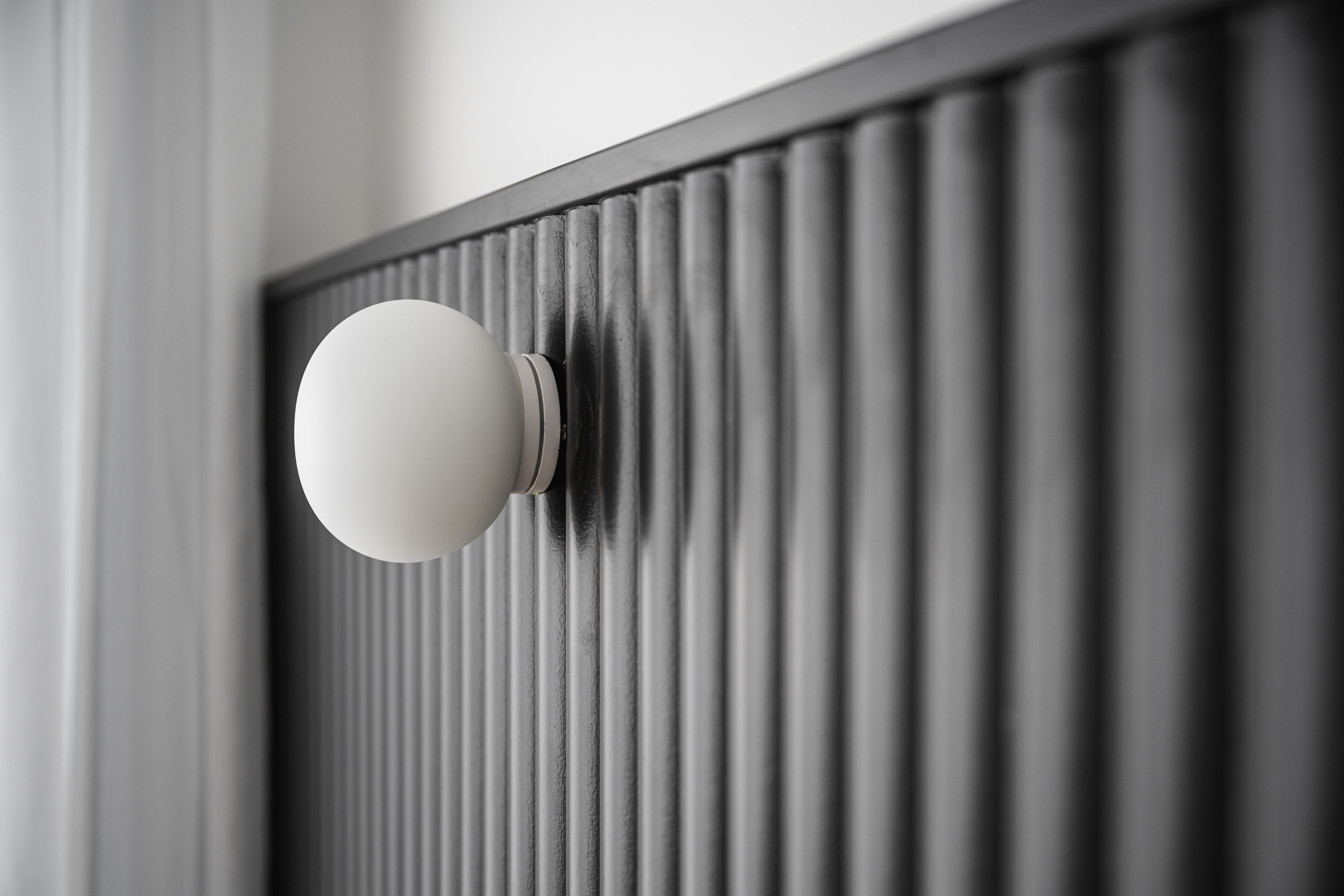
Lighting should be considered as part of the architecture, not simply added at the end.
Different areas of the home need different types of lighting depending on how they are used. A kitchen may need strong task lighting, while living spaces benefit from softer ambient lighting. Bedrooms use layered lighting to create a calm atmosphere, while feature lighting can highlight architectural details.
Ceiling heights, bulkheads, feature ceilings, niches and window proportions can all influence how a space feels. These elements do not need to be dramatic to have an impact. Sometimes a subtle change in ceiling height or a carefully framed opening is enough to make a room feel more generous.
Materials That Work Together
The best interiors are not necessarily the ones with the most expensive materials. They are the ones where the materials work together.
Stone, timber, cabinetry, flooring, tiles, hardware and paint colours should all contribute to a cohesive overall feel.
Choosing materials based on how they will look and perform together can create an interior that feels considered and timeless, rather than driven by short-term trends.
Designing Around the Site & Lifestyle
Perhaps the most important detail of all is designing the home around the people who live in it and the site it sits on.
Every block is different. Views, orientation, slope, access, privacy, vegetation and surrounding homes can all influence the design.
Your lifestyle matters just as much. The way you cook, entertain, relax, work, store your belongings and spend time together should all help shape the home.
That is what makes a truly custom home different from simply choosing a larger or more expensive floor plan.
The Details Are What Make It Feel Like Home
Exceptional design is not always about making a statement. Sometimes, it is about making hundreds of small decisions that work together so naturally that you barely notice them.
These are the details that may not stand out on a floor plan or in a photograph, but they can completely change the way a home feels to live in.
At Crown, we take a lifestyle-led, custom approach to design, considering not only how your home will look, but how every space, connection and detail will work together.
Because a great home is not simply one that looks good.
It is one that feels right.