Building a custom home is a long-term investment. When you finally walk through your finished home, it is easy to focus on the things you can see: the stone benchtops, beautiful tiles, flooring, cabinetry and facade. But a quality home is about much more than it’s finishes.
What you do not see matters just as much as what you do. The materials, systems and workmanship behind the walls all contribute to how your home performs, feels and holds up over time. From the structure and insulation to waterproofing, windows and joinery, the choices made during construction can have an impact for decades.
Quality Starts Behind The Walls
A home can look incredible on handover day, but the real test is how it performs years later.
The materials used throughout construction form the foundation of the home’s durability, comfort and performance. This means quality needs to be considered from the earliest stages, not just when selecting visible finishes.
Using appropriate quality materials and combining them with careful workmanship helps create a home that is built to perform as well as it looks.
Structural Materials
The structure of your home is quite literally what holds everything together. Framing, footings, concrete, roofing and other structural components need to be selected and installed appropriately for the home, site and conditions.
For a custom home, the building materials and construction approach should respond to the specific requirements of the site. A sloping block, for example, may require very different considerations from a flat suburban site.
Windows & Doors
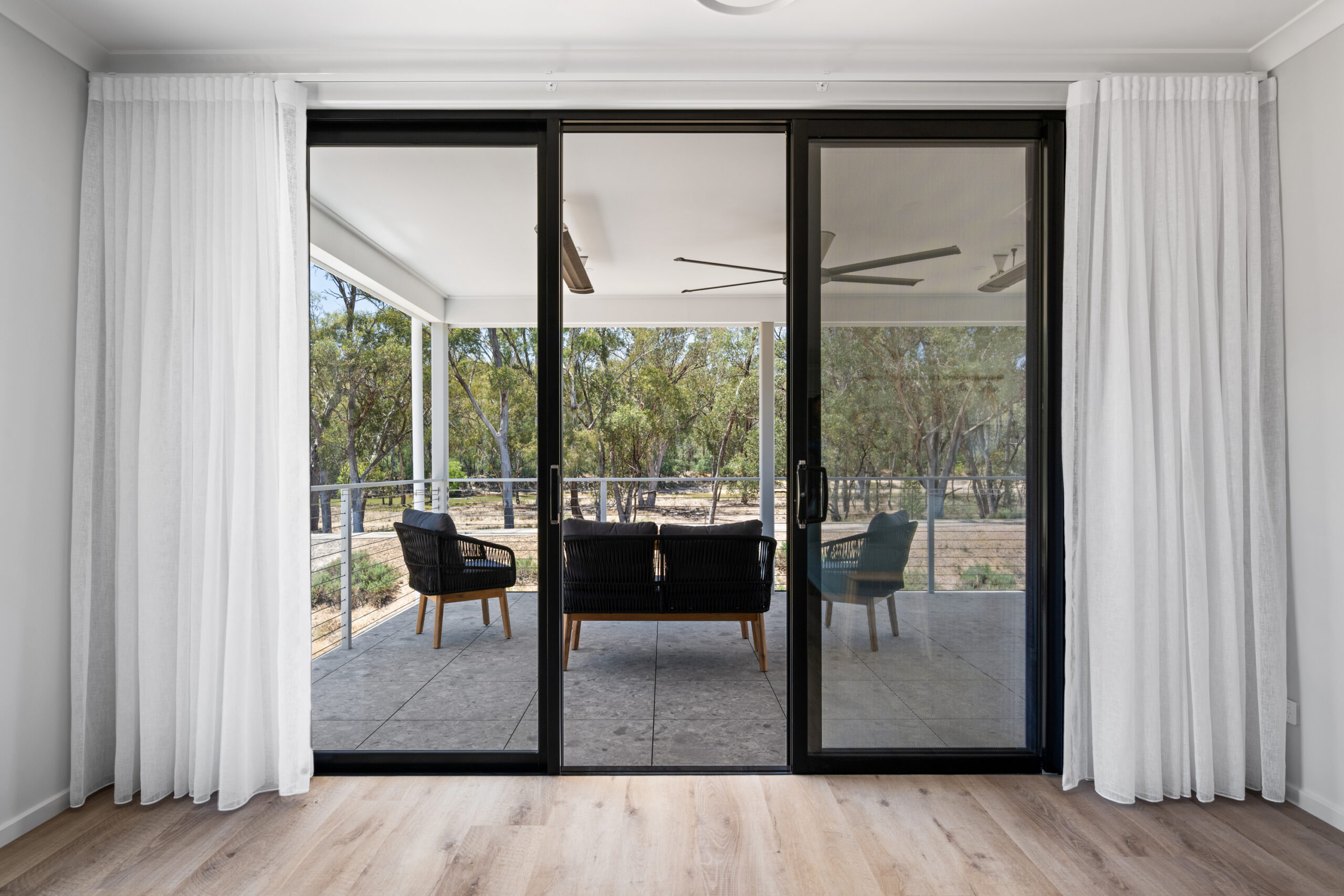
Windows and doors have a significant impact on comfort, energy efficiency, security and the overall feel of the home. Their position, size, glazing and frames all need to be considered as part of the wider design.
Quality windows can help with temperature control and noise, while carefully positioned openings can maximise natural light and views without compromising privacy. These decisions are about more than aesthetics. They are about how you experience the home everyday.
Insulation & Energy Efficiency
A comfortable home starts with good thermal performance. Insulation and other building systems help regulate indoor temperatures and can reduce the amount of energy required to heat and cool the home. This is particularly important in regions where homes experience significant seasonal changes.
Considering insulation, orientation, shading and other energy-efficiency measures during the design and construction process can contribute to a home that is more comfortable and efficient over the long term.
Waterproofing & Wet Areas
Bathrooms, laundries and other wet areas require careful planning and quality installation.
Waterproofing may not be something you think about when admiring your new bathroom, but it is one of the most important elements beneath the finished surfaces. The tiles and fixtures may be what you see, but the waterproofing system underneath is what helps protect the structure of the home from moisture and water damage.
Cabinetry & Joinery
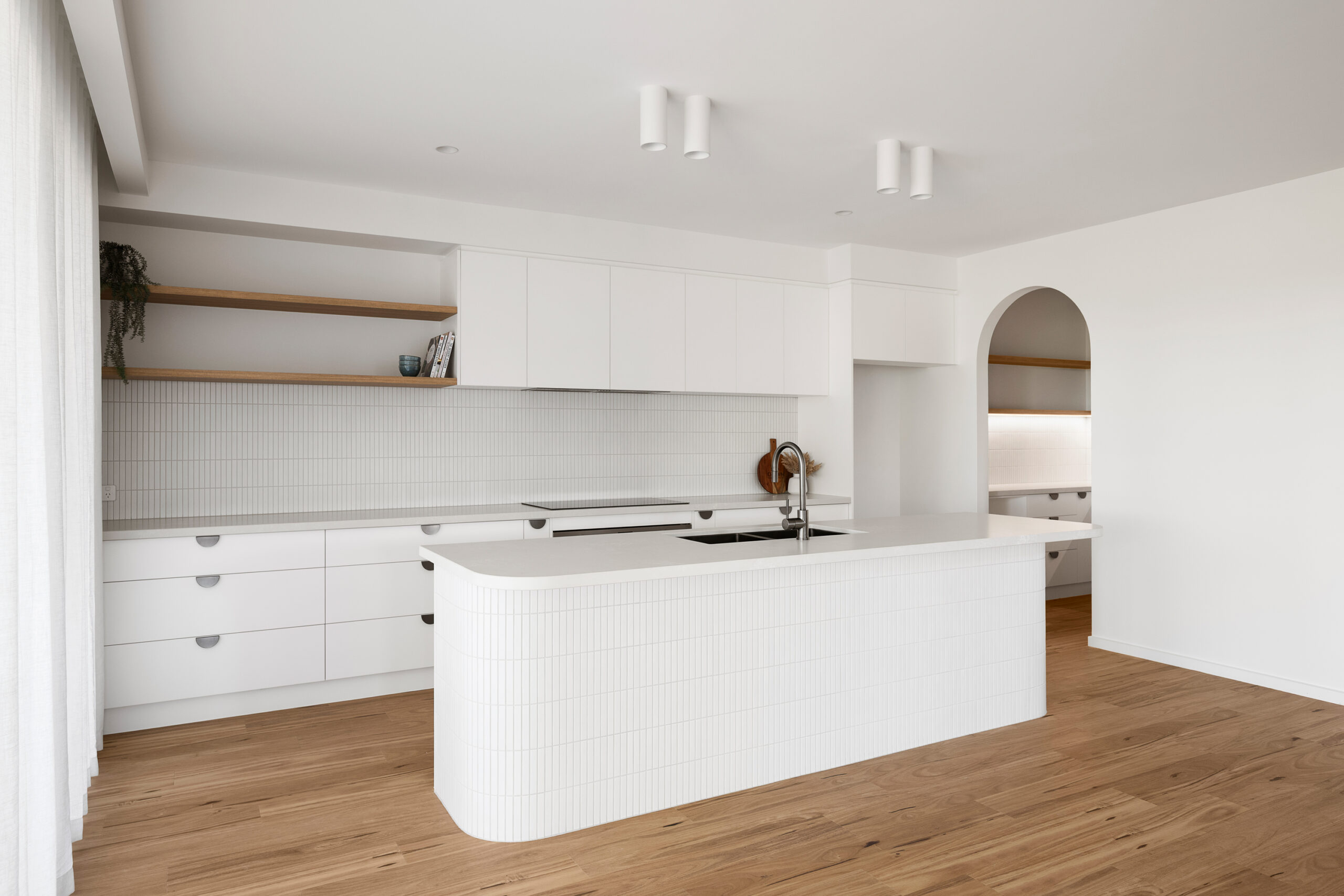
Cabinetry is one of the most frequently used elements in a home. Kitchen drawers are opened every day. Wardrobe doors are constantly used. Bathroom vanities deal with moisture and everyday wear.
Quality cabinetry and joinery, combined with good hardware and careful installation, can make a noticeable difference to both functionality and longevity.
Flooring & Surface Materials
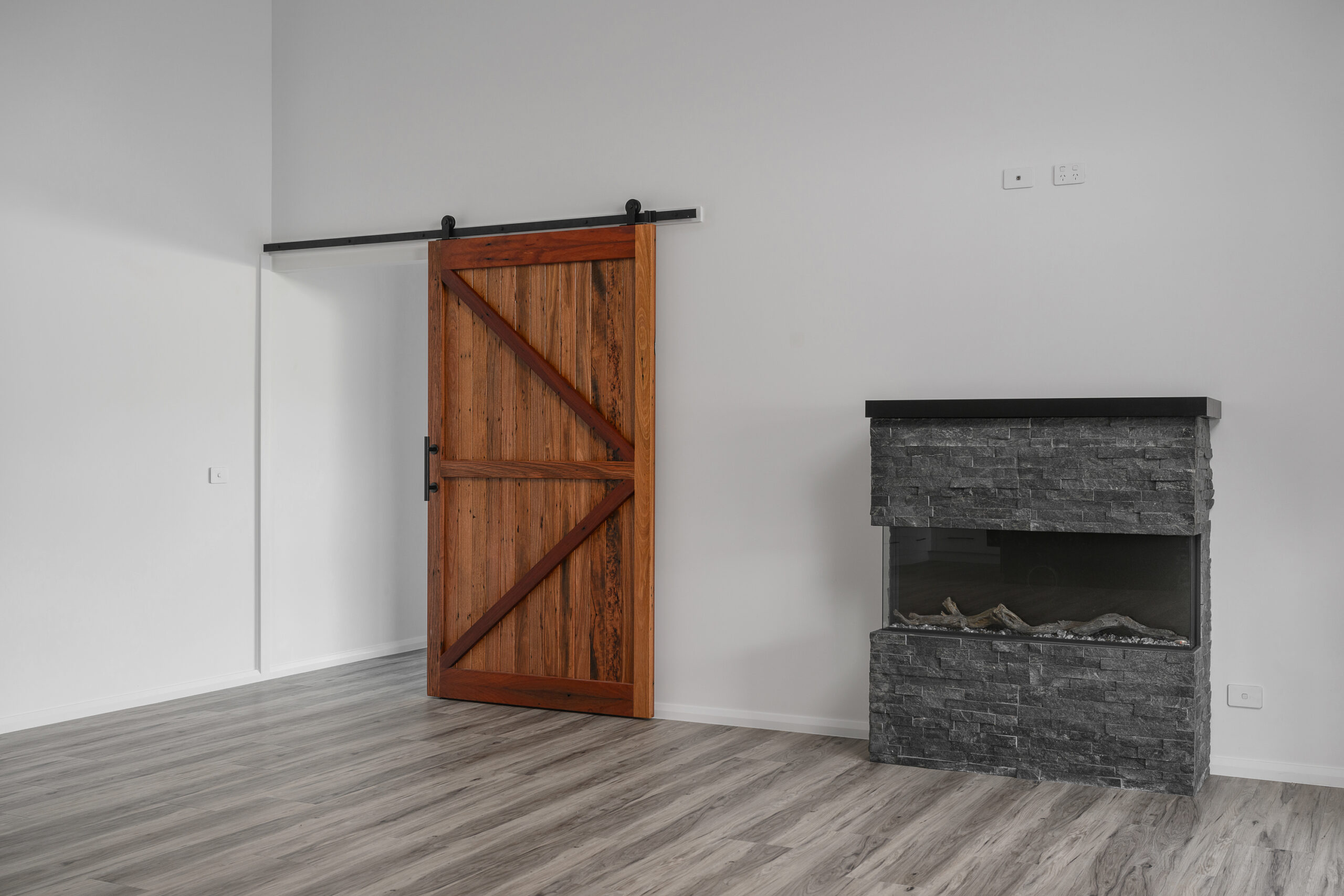
Visible finishes still matter. Flooring, tiles, benchtops and other surfaces need to suit the way a space is used, not simply look good.
High-traffic areas may require particularly durable flooring, while bathroom and kitchen surfaces need to cope with moisture, heat and everyday use. The best material choices balance appearance, practicality and longevity.
Fixtures & Fittings
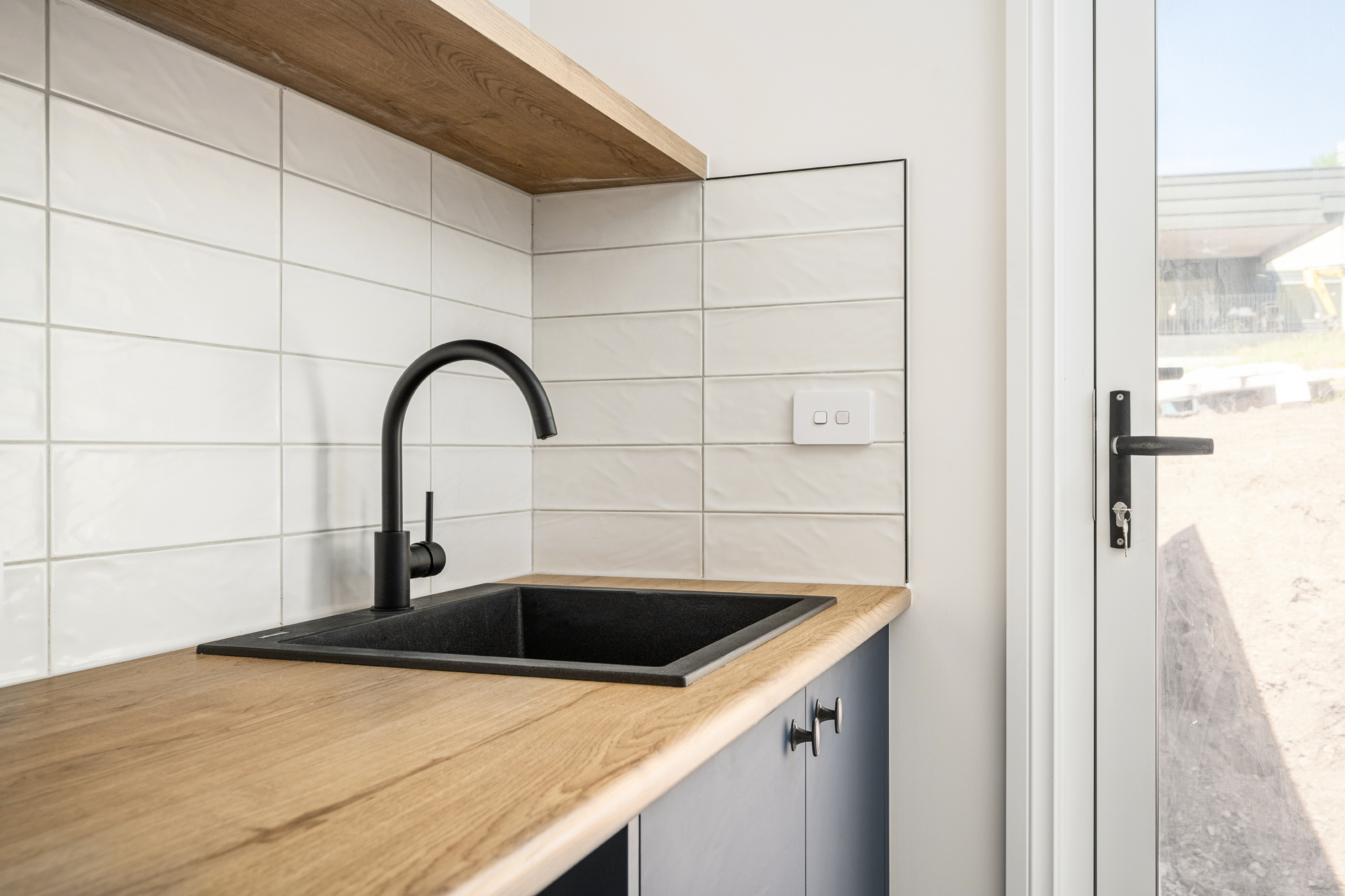
Tapware, handles, sinks, appliances, lighting and other fixtures are used constantly, so quality matters here too. Choosing products that are suited to the application and designed for regular use can reduce the likelihood of premature wear and contribute to a better experience over time.
Why Cheap Isn’t Always Better Value
When building a home, it can be tempting to choose the cheapest option wherever possible, but, the lowest upfront cost does not equal better long-term value.
A cheaper material may need to be replaced sooner, perform less effectively or compromise the quality of the finished home. That does not mean every premium option is necessary. It means understands where quality matters most and making informed decisions based on performance, durability, maintenance and value over time.
Built for Today. Designed to Last.
Your home is something you are building for the long term.
That is why quality should not be measure by how impressive a home looks on handover day alone. It should be measure by how it feels to live in, how it performs and how will it continues to stand up to everyday life.